Real-life stories
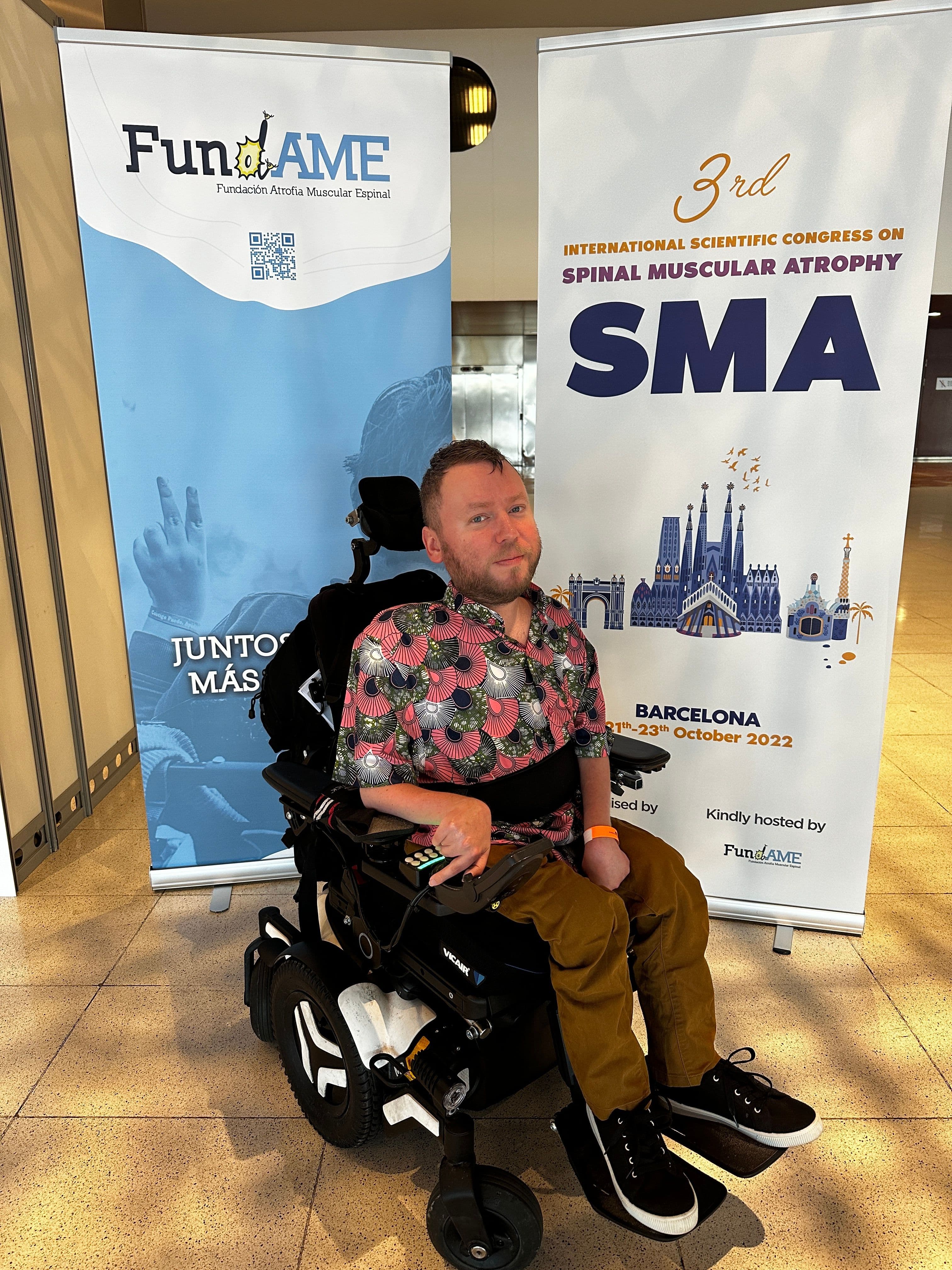
Meet Lassi
Lassi and why access delayed is never neutral

Lassi
When Lassi was born in Finland in 1987 and diagnosed with spinal muscular atrophy (SMA), the expectations placed on his future were narrow. Like many people with SMA of his generation, he grew up before disease-modifying treatments, at a time when survival, adulthood and participation were too often imagined in limited terms. Nearly four decades later, Lassi is still here, not only living with SMA, but helping to reshape how Finland and Europe understand access, adulthood and justice in SMA care.
SMA did not define Lassi’s childhood, but since early adulthood, independence, work, relationships and the future itself became harder to navigate. As an adult, SMA suddenly became more than a mere medical fact. It became a condition that shaped choices, timing, and possibility. Still, Lassi studied, worked, built a life. Over time, personal experience turned into public responsibility, and Lassi became involved in advocacy.
Today, Lassi is Chair of SMA Finland and SMA Europe delegate. His voice carries both the intimacy of lived experience and the responsibility of representation. He speaks not only as a person living with SMA, but as someone who has watched policy, ethics and everyday life meet in the same body.
When disease-modifying therapies for SMA emerged, they brought hope that the course of the disease could change. For Lassi, as for many others living with SMA in Finland, that hope was quickly followed by disappointment. Treatments were made available for children, thanks in part to the persistent advocacy of SMA Finland. Adults, however, were left out of reimbursement decisions for years.
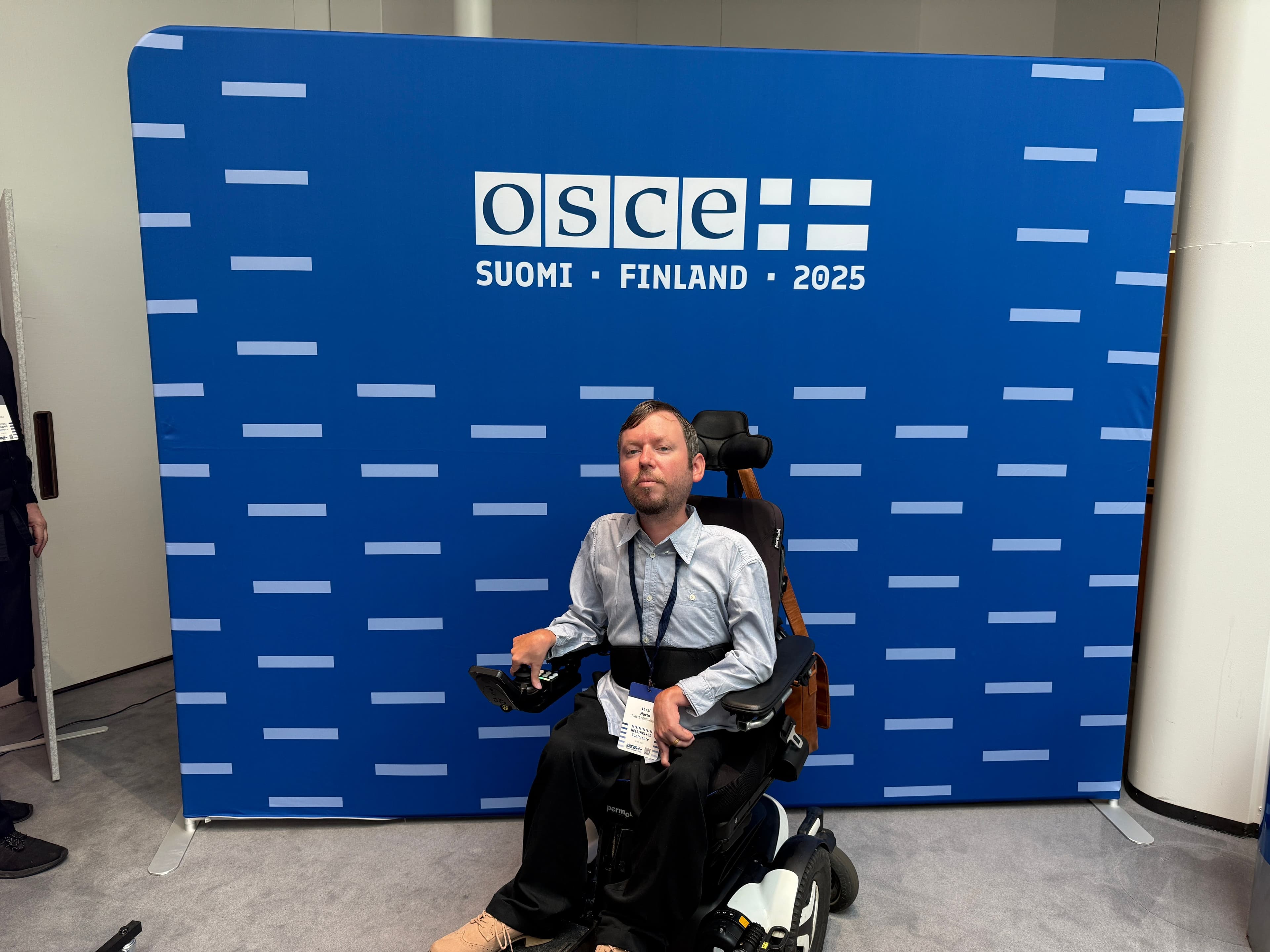
The true cost of medicines is rarely visible to those whose lives depend on them. Price negotiations between companies and public authorities are often confidential, and reimbursement decisions are shaped through highly technical processes that can feel distant from the lives at stake. In SMA, the figures can be striking. Yet the ethics of reimbursement choices are equally striking: what does a healthcare system owe to people whose needs are rare, complex and costly, but whose lives are no less valuable? For adults with SMA, this question is not abstract. It is measured in years. It is felt in bodies.
Bureaucratic complexity added on to the issue of cost. Finland's reimbursement system involves different public bodies assessing different medicines, and patient organisations are not always systematically invited to weigh in on reimbursement policies. But administrative time and bodily time do not move at the same pace. While institutions wait, bodies do not.
While adults with SMA in Finland were left to wait, their bodies continued to change. Adult access has been a challenge in many European countries, often justified by the limited available data on safety and efficacy of SMA medicines among adults. But this reflects a deeper problem: adults had not been adequately included in the clinical trials that generated the evidence base. There was limited proof of benefit, but there was also no clinical reason to assume that adults could not benefit. The lack of evidence was, in part, the consequence of exclusion.
Over time, through determined advocacy across Europe, several neighbouring Nordic countries expanded reimbursement criteria for adults. Finland was late. For Lassi, this delay was especially painful because Finland is internationally recognised for its healthcare system and has long prided itself on fairness, solidarity, and support according to need. In this case, those values did not seem to translate into equal access in practice. Medicines existed, but reimbursement policy did not yet reach everyone.

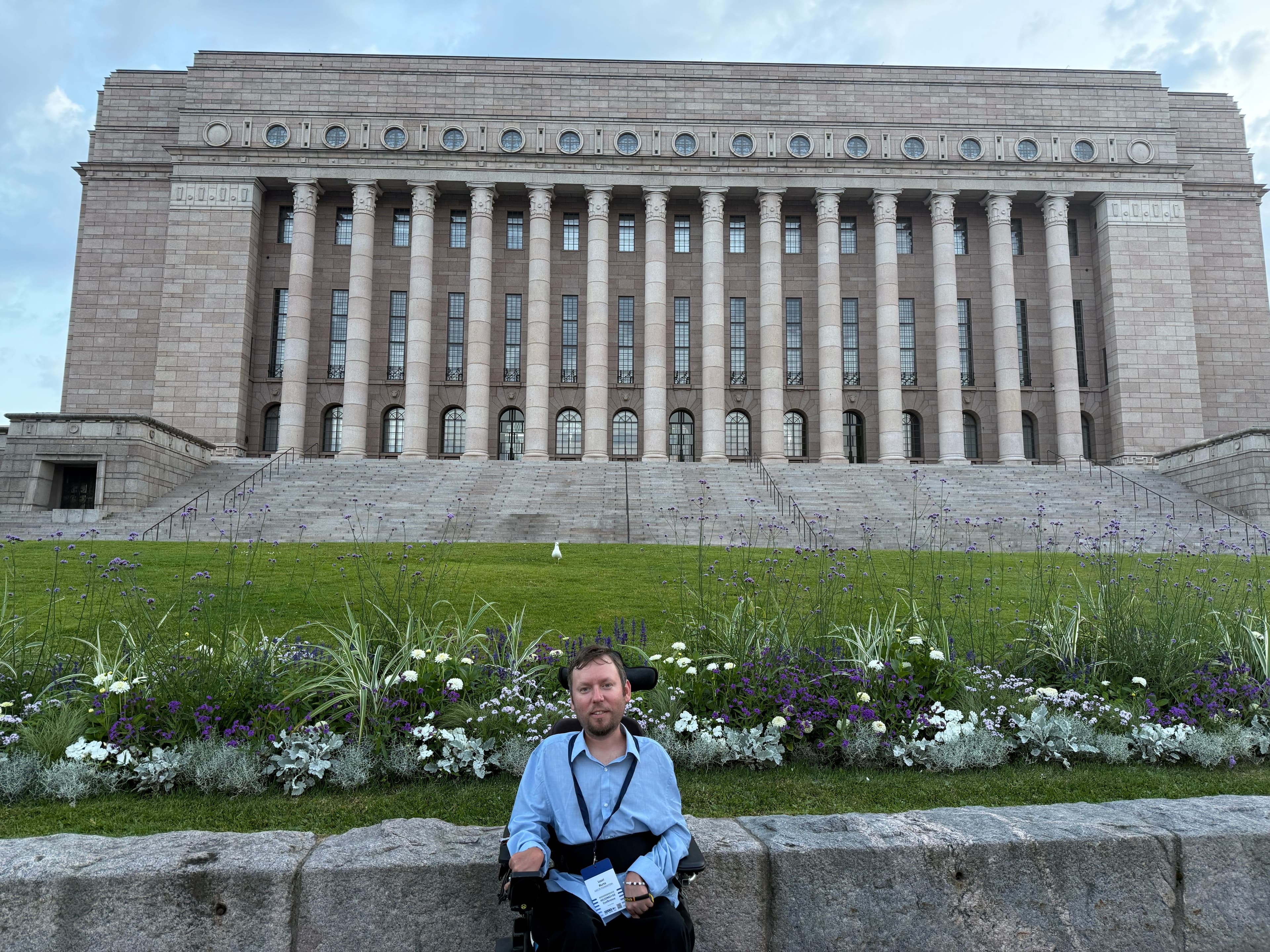
In April 2026, after years of advocacy, public discussion, and efforts to raise awareness among decision-makers, a positive decision to expand reimbursement to adults living with SMA for one of the existing disease-modifying treatments finally became a reality in Finland.
Lassi is proud of this achievement. It is the result of persistence, collective work and the refusal of adults with SMA to disappear from the conversation. Yet, local advocates are left with the uneasy feeling that, despite their efforts, the breakthrough only came because Finland had become increasingly isolated among comparable countries. Yet, the ethical case had existed for years. The lives had existed for years. The urgency had existed for years.
This revealed a painful paradox. The number of untreated adults with SMA in Finland was small enough to be overlooked politically, yet their exclusion carried enormous human consequences. Rare disease communities often live with this contradiction. Small numbers can make a policy issue seem administratively manageable, but politically invisible. The people affected may be few, but the impact on each life is profound.
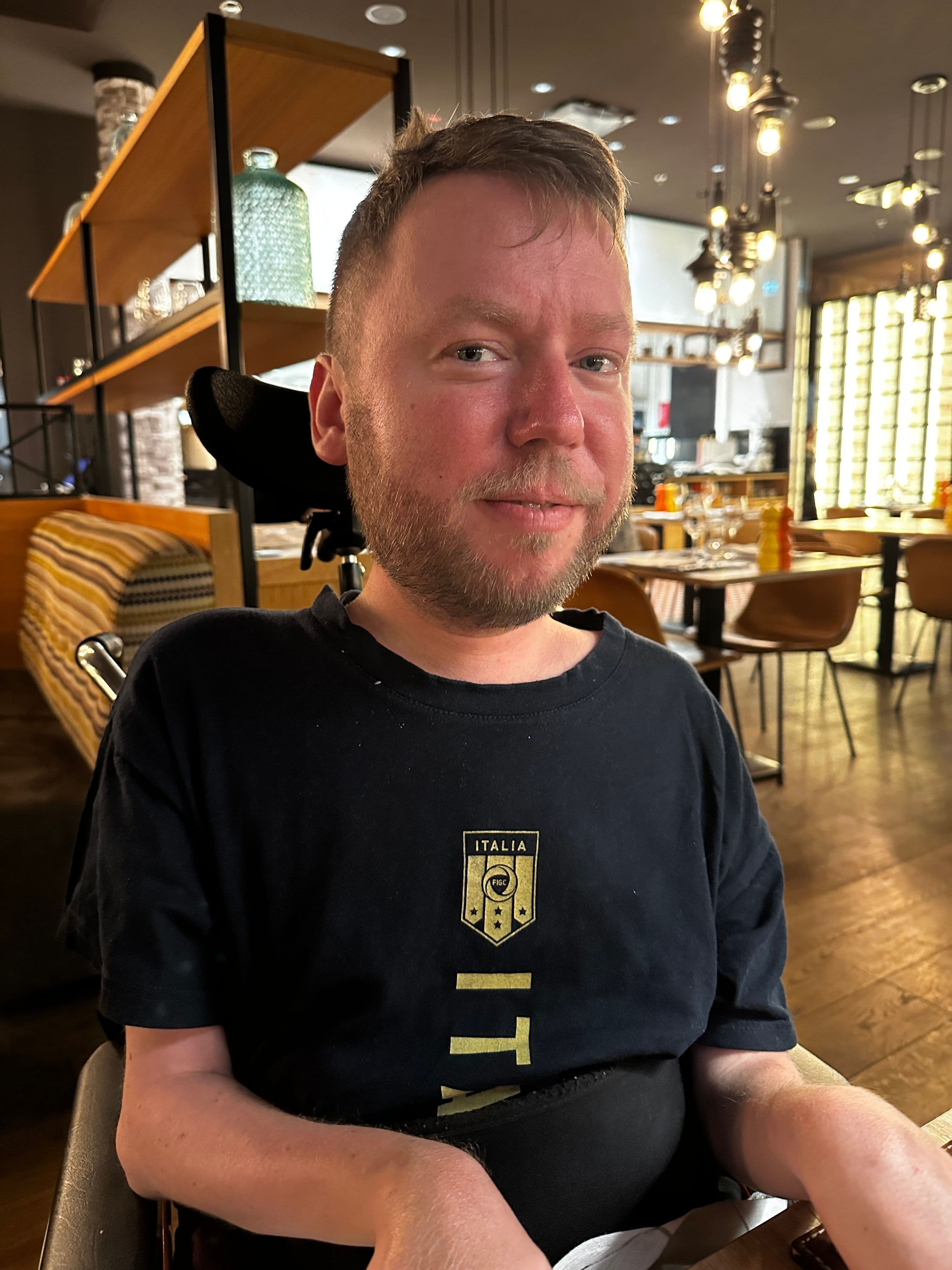
As he waits for the decision to come into effect, Lassi is now focused on the next steps. First, SMA Finland will continue to advocate for those who remain excluded under the new reimbursement criteria, particularly people who use ventilatory support for more than 16 hours per day. This exclusion is unfair and painful because, once again, it is based on assumptions rather than evidence: people using ventilation did not qualify for clinical trial participation, therefore no data is available on treatment efficacy or any risks for this population.
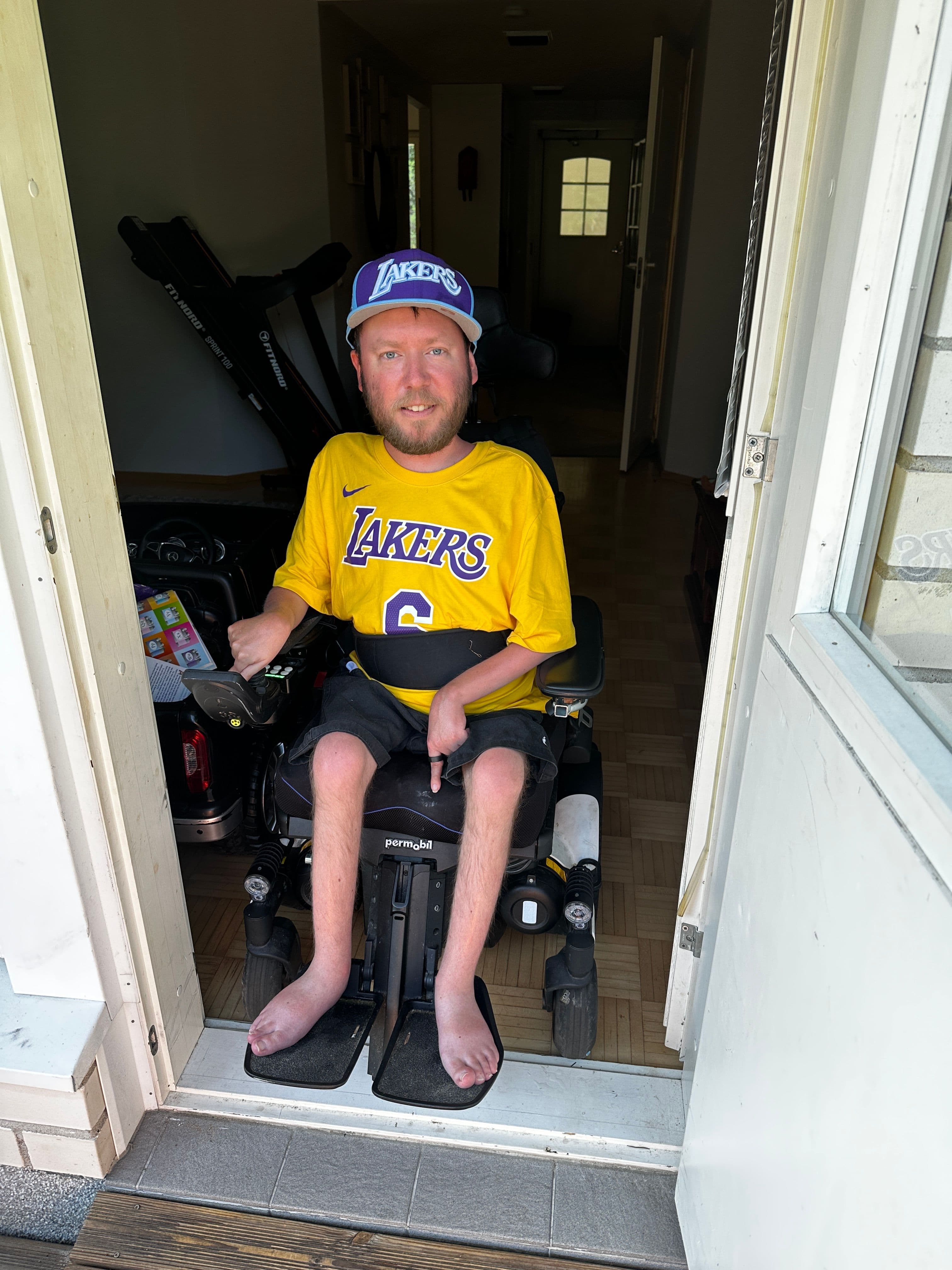
For Lassi, a commitment to learning from real-world evidence is of the essence to fill this gap and individual assessment is key to ensuring every individual receives their best care.
Second, SMA Finland wants to ensure that information about the new access criteria reaches every adult living with SMA in Finland who may be eligible for treatment. A reimbursement decision must be translated into clinical awareness, outreach, and practical action to make real impact.
This is where policy becomes real. Access is not only a decision made in a meeting room. It is a phone call, a referral, a conversation with a neurologist, a clear explanation of options, and the assurance that no one is left behind simply because information failed to reach them. Real access must change people's lives.
Lassi's story is beyond personal: it is part of a wider European question about how rare disease decisions are made, whose evidence counts, whose urgency is recognised, and whether healthcare systems truly live by the values they proclaim. For adults with SMA, justice cannot depend on being visible only when a policy gap becomes embarrassing. It must be built into the system from the outset.
Lassi wants a Europe where people with SMA are not asked to prove that their lives are worth investing in; where access to treatment does not depend on age, geography, timing or how visible a patient group happens to be; and where people with more advanced support needs are not left outside the evidence base and then punished for its absence.

Evidence matters—but so does understanding why it is missing. Information gaps caused by research design choices should not drive access decisions.
Interview conducted in May 2026.
Stay updated!
Newsletter sign up
Keep up-to-date with the OdySMA project. Sign up to receive our digital newsletter
OdySMA is a participatory advocacy tool. Therefore SMA Europe cannot warrant the completeness, reliability, or absolute accuracy of the data shared on OdySMA, as there may be changes that our members and supporters do not immediately inform us of. Should you identify inaccuracies or omissions, please contact us and let us know. We count on you!